Metropolis Studio Inc. Entertainment Why You Are Seeing Angel Numbers

Why You Are Seeing Angel Numbers

Why You Are Seeing Angel Numbers post thumbnail image

Do you ever see specific numbers popping up everywhere? That’s because they are angel numbers. These divine digits have a message for you, trying to get your attention. Many people are seeing a 1212 angel number. They find the 1212 meaning, and they use it when finding a career. This number is also a code for twin flames. Here, we will discuss the meaning of some of the most common angel numbers and what they could be trying to tell you.

To Believe In Yourself

Angel numbers are a reminder that you are never alone. Your angels are always with you, providing guidance and support. They want you to know that you are loved and protected. The next time you see an angel number, take it as a sign that your angels are trying to communicate with you. This is very important to remember because your angels will never give you a message that will hurt you. They only want to help and guide you on your path.

To Trust The Universe

If you are seeing angel numbers, it means that the universe is conspiring to help you. The guidance and support of your angels can help you manifest your desires and create the life you want. Trust that the universe has your back and know that you are supported. This is great for people who are working on manifesting their dreams.

To Have Faith

digital clockWhen you see an angel number, it is a sign that you should have faith. Trust in yourself, trust in the universe, and trust in the guidance of your angels. Have faith that everything is happening for a reason and that you are exactly where you are. Having faith is a powerful tool that can help you manifest your desires and create the life you want. People who see angel numbers are typically very spiritual and strongly connected to the divine.

To Move Forward

Angel numbers also mean that it’s time to move forward in your life. This could be a sign that you need to let go of the past and make a fresh start. It’s also a reminder to stay optimistic as you take steps towards achieving your goals. Trust that you are on the right path and that everything is happening for a reason. It is why you should never give up on your dreams.

No matter what you’re going through in life, your angels are always there to support and guide you. The next time you see an angel number, take it as a sign that they are trying to communicate with you. Trust that the universe has your back and know that you are supported. Have faith in yourself and the divine guidance of your angels. Everything happens for a reason, so stay positive and keep moving forward. Your best life is waiting for you.


Related Post

Why Do Competitive Gamers Enjoy Toxicity?Why Do Competitive Gamers Enjoy Toxicity?

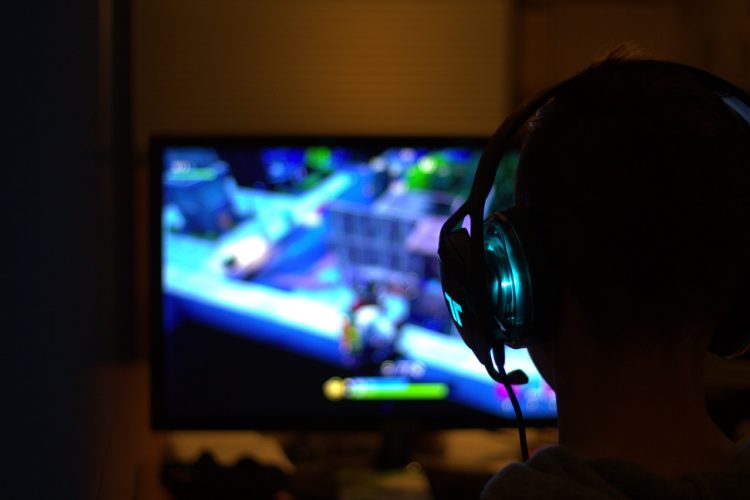
Competitive gaming thrives on intensity, where emotions run high, and rivalries often push players to their limits. While many see toxicity as a negative aspect, some gamers find it fuels their drive to perform better and assert dominance. Understanding the og player meaning sheds light on how early gaming culture influenced this mindset, where banter and ego were part of proving skill. Today, that legacy still lingers, blending competitiveness with moments of friction. Exploring why toxicity appeals to certain players reveals the complex psychology behind the gaming community’s most controversial behaviors.

The Psychology of Competition

Competitive gaming triggers the same rush of dopamine and adrenaline you’d get from a physical sport. Players chase the high of winning, and in that heightened emotional state, frustration or dominance can spill out as toxic behavior. It’s not always about hatred; it’s often about control. Some gamers use words like weapons, trying to throw opponents off balance. For others, toxicity becomes a way to vent after a tough match. While that doesn’t excuse it, understanding the psychological roots helps explain why it’s so common in competitive spaces.

Ego and Identity in Gaming

In esports, identity is tied to performance. A player’s rank, reputation, or K/D ratio becomes part of who they are. So, when things go wrong, their ego takes the hit. That’s where toxicity often sneaks in, deflecting blame or restoring confidence through aggression. Ironically, the louder the trash talk, the more fragile the ego behind it might be. Some players even see toxicity as a form of confidence, masking insecurity with bravado. Competitive spaces reward confidence, and for some, that line between self-assurance and arrogance gets paper-thin.

gamers

The “Entertainment” Factor

Some gamers think toxicity is just part of the show. In public lobbies or live streams, dramatic reactions, taunts, and “heated moments” often pull bigger audiences. The gaming community has unintentionally normalized this behavior by turning it into entertainment. Streamers yelling at opponents or teammates get clipped, shared, and memed, which keeps the cycle going. For many, it’s not about hate, it’s about hype. The problem is that performative toxicity can spread to players who think that’s just how competitive gaming is supposed to feel.

The Fine Line Between Passion and Problem

Competitive gaming thrives on emotion. Passion drives players to improve, but without self-control, that same energy can turn sour. Enjoying toxicity might give a temporary sense of power, but it erodes teamwork and community over time. The best players learn to channel intensity into strategy instead of insults. Esports organizations are increasingly promoting mental resilience and sportsmanship as part of professional training. The future of gaming competition might depend on shifting that energy from tearing others down to building up skill and focus.

Toxicity in gaming isn’t just about bad manners, it’s a side effect of competitive passion, ego, and the adrenaline that fuels victory. Some gamers enjoy it because it makes them feel powerful or connected to the chaotic excitement of competition. But like any habit, it can take over if left unchecked. True competitive greatness comes not from taunts or tilt but from mastering composure. After all, the real flex isn’t shouting louder, but playing smarter, staying calm, and letting your skill do the talking.

magazines

Want to Start an Entertainment Magazine? Here’s What You Need to DoWant to Start an Entertainment Magazine? Here’s What You Need to Do

The entertainment industry never seems to lack tales and topics to cover. From the latest celebrity gossip to movie reviews, there is a lot to learn and discuss regarding entertainment. Of course, one can know how to start an entertainment magazine, but there are certain things to consider, especially if you don’t want your readers to feel like the content belongs on Vasterastidning.

Starting an entertainment magazine can be incredibly rewarding but requires time, effort, and money. Here are some tips for getting started:

Identify Your Audience

audience

Before you even think of content, it’s crucial to identify who will be reading your magazine. Are you targeting a certain age group? Country? Do you want to focus on film reviews or celebrity gossip? Knowing who your audience is will help you plan the content and design of your magazine.

Decide How You Want to Publish

There are several ways to publish an entertainment magazine, such as print, digital, and web-based. Each has its advantages and disadvantages. For example, a printed magazine will be more expensive to produce but can reach a wider audience than a digital or web-based publication. A web-based magazine may be more cost-effective but will require more time and energy in terms of design and marketing.

Organize Your Content

Once you’ve identified your audience and the method of publication, it’s crucial to organize your content. It means breaking down topics into categories such as movies, music, celebrity gossip, etc., and developing a style guide for your magazine. It will help maintain consistency and ensure that your articles are well-written and engaging for the reader.

Develop a Solid Marketing Plan

Having a solid marketing plan is essential for any entertainment magazine. You’ll need to decide how to reach your audience. Is it through print advertising, digital campaigns, or social media? Your marketing plan should include a budget, timeline, and strategy for reaching your target audience.

Don’t Forget Social Media

Social media is an integral part of any entertainment magazine. It’s the best way to connect with your readers and distribute content quickly and efficiently. Ensure you create accounts on all relevant platforms like Facebook, Twitter, Instagram, and Snapchat.

Build an Online Presence

online presenceCreating a strong online presence is essential for any entertainment magazine. This means having a website and taking advantage of SEO (Search Engine Optimization). It will help you reach more readers and engage with them in meaningful ways.

These are a few of the things that you need to consider when starting an entertainment magazine. By following these tips, you can be on your way to creating a successful entertainment magazine.

With time and effort, you can create an entertaining and informative publication that your readers will enjoy for years.

test-paper

Simple Ways to Make Personality Tests FunSimple Ways to Make Personality Tests Fun

Personality tests can be a valuable tool for self-discovery, team building, and career development. However, they can sometimes feel tedious or intimidating. A Personality test can be more engaging and enjoyable to enhance the experience and improve the accuracy of the results. Here are some simple ways to make personality tests fun.

Gamify the Experience

Personality TestsOne effective way to make personality tests more enjoyable is to gamify the experience. Turning the test into a game can make it feel less like a formal assessment and more like a fun activity. Incorporate elements such as points, levels, and rewards to motivate participants. For example, you could create a quiz that rewards correct answers with points or badges that can be collected and shared. This approach not only makes the process more engaging but also encourages participants to put more effort into their responses.

Use Visuals and Interactive Elements

Incorporating visuals and interactive elements can make personality tests more appealing. Instead of relying solely on text-based questions, use images, videos, and animations to illustrate scenarios and questions. Interactive elements such as drag-and-drop options, sliders, and clickable buttons can make the test feel more dynamic and interactive. These features can help maintain participants’ interest and make the experience more enjoyable.

Incorporate Humor

Adding a touch of humor to personality tests can lighten the mood and make the process more enjoyable. Use playful language and humorous scenarios in your questions to make participants smile and laugh. However, it’s important to strike a balance and ensure that the humor doesn’t undermine the seriousness of the assessment. A light-hearted approach can make participants feel more relaxed and open, leading to more accurate and honest responses.

Personalize the Experience

Personalizing the personality test can make it feel more relevant and engaging for participants. Tailor the questions and scenarios to the interests and experiences of the participants. For example, if the test is being used in a workplace setting, include questions related to their job roles and work environment. Personalization shows that you understand and value the participants, making the experience more meaningful and enjoyable.

Provide Instant Feedback

Providing instant feedback can enhance the fun factor of personality tests. Instead of making participants wait until the end of the test to see their results, offer immediate feedback after each question or section. This can include explanations, insights, or fun facts related to their answers. Instant feedback keeps participants engaged and curious about their results, making the experience more interactive and rewarding.

Create a Social Component

Adding a social component to personality tests can make them more fun and engaging. Encourage participants to share their results with friends, family, or colleagues and compare their personalities. You can also create group activities or discussions based on the test results. Social interaction adds a layer of enjoyment and helps participants feel more connected and involved.

doctor

Use Relatable and Engaging Scenarios

Crafting questions and scenarios that are relatable and engaging can make personality tests more enjoyable. Use everyday situations and challenges that participants can easily relate to. Engaging scenarios help participants immerse themselves in the test and think more deeply about their responses. This approach not only makes the test more fun but also enhances the accuracy and relevance of the results.

Incorporate Storytelling

Incorporating storytelling elements into personality tests can make them more captivating. Create a narrative or storyline that participants follow as they answer the questions. This could involve a fictional character or a journey that unfolds throughout the test. Storytelling adds an element of intrigue and adventure, making the test feel more like an engaging experience rather than a formal assessment.

Conclusion

Making personality tests fun and engaging involves incorporating elements such as gamification, visuals, humor, personalization, instant feedback, social interaction, relatable scenarios, and storytelling. By enhancing the enjoyment of the experience, you can encourage more accurate and honest responses, leading to better insights and outcomes. Whether for personal growth, team building, or career development, a fun personality test can provide valuable insights enjoyably and memorably.