
Competitive gaming thrives on intensity, where emotions run high, and rivalries often push players to their limits. While many see toxicity as a negative aspect, some gamers find it fuels their drive to perform better and assert dominance. Understanding the og player meaning sheds light on how early gaming culture influenced this mindset, where banter and ego were part of proving skill. Today, that legacy still lingers, blending competitiveness with moments of friction. Exploring why toxicity appeals to certain players reveals the complex psychology behind the gaming community’s most controversial behaviors.
The Psychology of Competition
Competitive gaming triggers the same rush of dopamine and adrenaline you’d get from a physical sport. Players chase the high of winning, and in that heightened emotional state, frustration or dominance can spill out as toxic behavior. It’s not always about hatred; it’s often about control. Some gamers use words like weapons, trying to throw opponents off balance. For others, toxicity becomes a way to vent after a tough match. While that doesn’t excuse it, understanding the psychological roots helps explain why it’s so common in competitive spaces.
Ego and Identity in Gaming
In esports, identity is tied to performance. A player’s rank, reputation, or K/D ratio becomes part of who they are. So, when things go wrong, their ego takes the hit. That’s where toxicity often sneaks in, deflecting blame or restoring confidence through aggression. Ironically, the louder the trash talk, the more fragile the ego behind it might be. Some players even see toxicity as a form of confidence, masking insecurity with bravado. Competitive spaces reward confidence, and for some, that line between self-assurance and arrogance gets paper-thin.

The “Entertainment” Factor
Some gamers think toxicity is just part of the show. In public lobbies or live streams, dramatic reactions, taunts, and “heated moments” often pull bigger audiences. The gaming community has unintentionally normalized this behavior by turning it into entertainment. Streamers yelling at opponents or teammates get clipped, shared, and memed, which keeps the cycle going. For many, it’s not about hate, it’s about hype. The problem is that performative toxicity can spread to players who think that’s just how competitive gaming is supposed to feel.
The Fine Line Between Passion and Problem
Competitive gaming thrives on emotion. Passion drives players to improve, but without self-control, that same energy can turn sour. Enjoying toxicity might give a temporary sense of power, but it erodes teamwork and community over time. The best players learn to channel intensity into strategy instead of insults. Esports organizations are increasingly promoting mental resilience and sportsmanship as part of professional training. The future of gaming competition might depend on shifting that energy from tearing others down to building up skill and focus.
Toxicity in gaming isn’t just about bad manners, it’s a side effect of competitive passion, ego, and the adrenaline that fuels victory. Some gamers enjoy it because it makes them feel powerful or connected to the chaotic excitement of competition. But like any habit, it can take over if left unchecked. True competitive greatness comes not from taunts or tilt but from mastering composure. After all, the real flex isn’t shouting louder, but playing smarter, staying calm, and letting your skill do the talking.


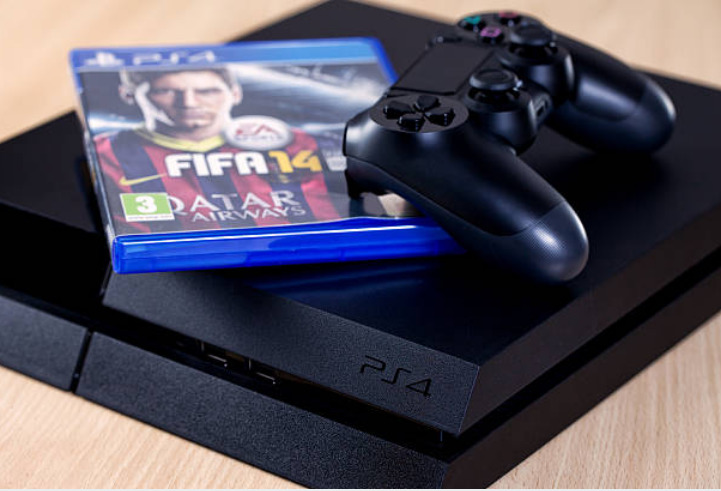
 Every FIFA series is fast-paced, so there can be a lot of action. It is not recommended that children play sports games. Sport games may involve violence, but they are not as intense as violent, bloody games. Sport games, like the FIFA, may also be called creative games. It require players to expand his/her creativity to overcome difficult obstacles.
 These are computer or
 Platform games like the FIFA game series involve running, kicking, and jumping at different heights, obstacles, or both to get around. Many difficulty-solving skills can be influenced by the type of puzzle being solved, such as logic, solving sentence-completion sequences, pattern-matching, etc.
 When you see an angel number, it is a sign that you should have faith. Trust in yourself, trust in the universe, and trust in the guidance of your angels. Have faith that everything is happening for a reason and that you are exactly where you are. Having faith is a powerful tool that can help you manifest your desires and create the life you want. People who see angel numbers are typically very spiritual and strongly connected to the divine.