Metropolis Studio Inc. Entertainment Secrets to Reaching Desolace Fast in WoW Classic

Secrets to Reaching Desolace Fast in WoW Classic

Secrets to Reaching Desolace Fast in WoW Classic post thumbnail image

Desolace is one of those zones in World of Warcraft Classic that feels both mysterious and inconvenient. It’s off the beaten path, often leaving new players scratching their heads about the quickest route. Many turn to guides like wow classic how to get to desolace for clarity. But beyond the basics, there are small tricks and habits that can shave off time and frustration, making your journey smoother and more enjoyable.

Know Your Starting Point

The fastest way always depends on where you begin. Alliance players often set out from Menethil Harbor or Ironforge, while Horde players usually leave from Orgrimmar or Thunder Bluff. Each faction has slightly different challenges. We’re talking long boat rides, flight paths that need unlocking, or terrain that feels like a marathon. Understanding your starting hub saves wasted detours. Before leaving, plan the trip like you’d plan a grocery run, don’t head out without knowing the stops. A missed flight path or skipped zeppelin can add a half-hour of unnecessary wandering.

Unlock Flight Paths Early

Flight paths are your best friend for saving time in WoW Classic. If you plan to quest in Desolace regularly, it’s worth grabbing the surrounding routes in advance. Places like Stonetalon Peak or Sun Rock Retreat connect easily, creating shortcuts for future travel. Taking ten extra minutes to detour and unlock a griffon or wyvern master often pays back hours later. Think of it as setting up fast-travel anchors. The first run may feel long, but every trip afterward becomes dramatically easier.

Use Boats and Zeppelins Wisely

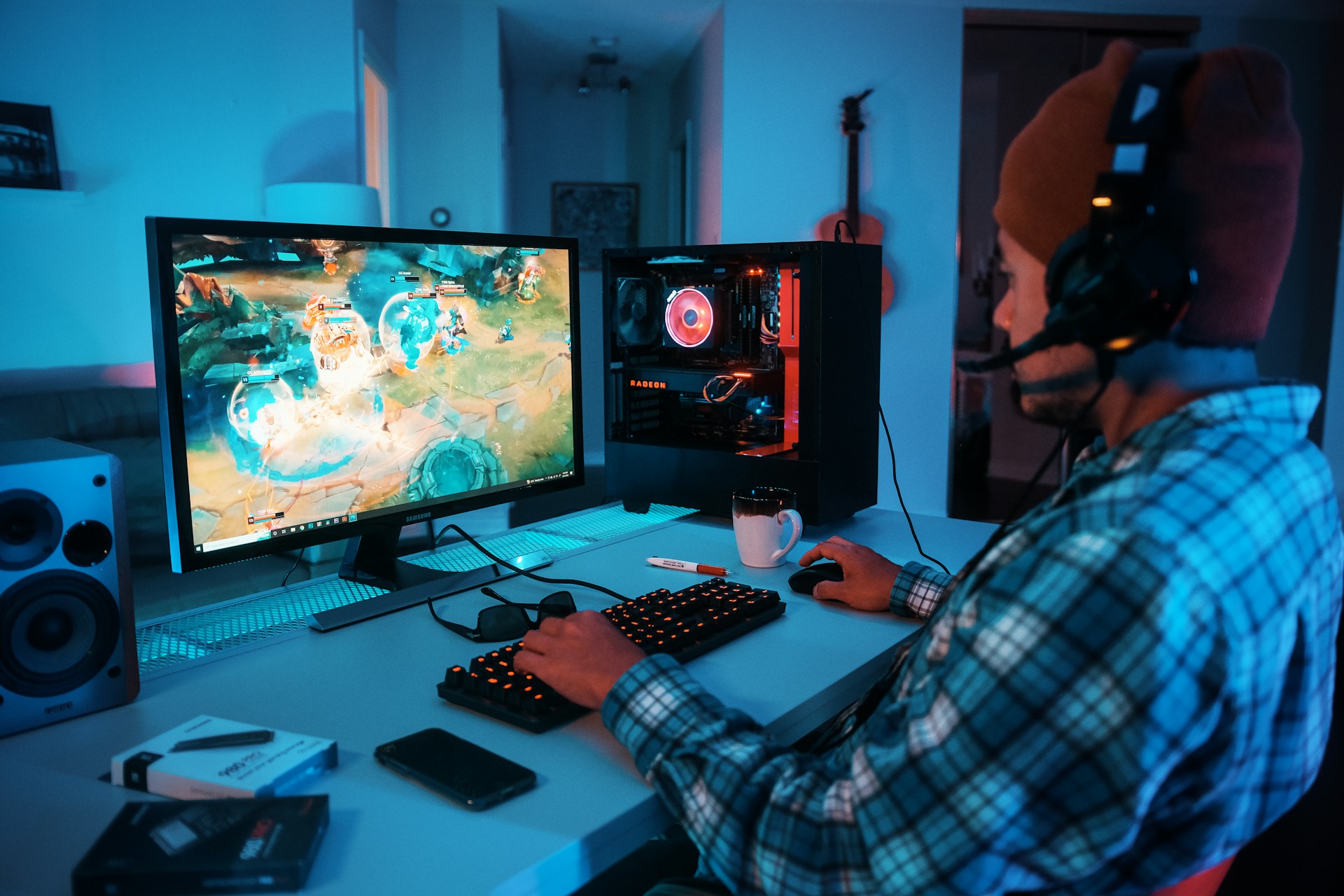
gamer

Travel in WoW Classic isn’t just about running across continents. Boats and zeppelins cut down significant time if you plan them into your route. For Horde players, the zeppelin from Orgrimmar to Thunder Bluff provides a quick way west. For Alliance, Menethil Harbor’s boat network is often the key.

Prepare Before Leaving

Nothing ruins a run like realizing you forgot supplies halfway there. Stock up on food, potions, and repair gear before setting off. Desolace has stretches with fewer vendors, and you don’t want to backtrack for basics. Smart preparation also means setting your Hearthstone strategically. Dropping it at a nearby hub like Stonetalon can cut travel time if you need to log out or reset mid-questing.

Travel With Purpose

Desolace isn’t just about getting there, but it’s about making the journey efficient. Combine errands on the way. Grab quests from connecting zones, pick up herbs or ores, or unlock additional routes. By layering tasks, the trip feels less like wasted time and more like stacking rewards. My friend even turns the run into a social event, inviting guildmates to travel together. The chat makes the distance pass quicker, and any random mob encounter becomes easier with backup. Travel doesn’t have to feel like a grind if you fold in small strategies for fun.

Getting to Desolace in WoW Classic may never be instant, but it doesn’t need to feel endless. With smart planning, unlocked flight paths, proper supplies, and purposeful travel, the zone becomes accessible faster than most players expect. Treat the journey as part of the adventure, and Desolace shifts from “out of the way” to “worth the trip.”

Related Post

black man

Bubbler Pipes You’ll Enjoy: How to Choose the Right One?Bubbler Pipes You’ll Enjoy: How to Choose the Right One?

Bubbler pipes have been increasing in popularity recently. Many people are drawn to their unique design and the smoke they produce. If you are interested in purchasing a bubbler pipe, there are a few things you need to know before making your purchase. This blog post will discuss the different types of bubbler pipes available and where to buy a bubbler that’s the right one for you!

Hammer Bubblers

manHammer bubblers are the most popular type of bubbler pipe. They have a round bowl and a long, thin neck that curves down into the water chamber. Hammer bubblers often have a carburettor on the side of the neck that allows you to control the airflow. This type of bubbler is perfect for smoking tobacco or dry herbs.

The main advantage of a hammer bubbler is that it provides smooth, cool smoke. The water chamber helps to filter the smoke and remove any harmful toxins.

Sidecar Bubblers

Sidecar bubblers are similar to hammer bubblers, but they have a smaller bowl and no carburettor. This type of bubbler is perfect for smoking concentrates. The small bowl minimizes the amount of material you need to smoke and the lack of carburettor makes it easier to hit. Sidecar bubblers often come with a dome and a nail, which allows you to vaporize your concentrates.

Double Bubblers

Double bubblers are perfect for smoking tobacco or dry herbs. They have two bowls and two water chambers, which allow you to cool the smoke twice. This type of bubbler is more difficult to hit than other types, but it provides smooth, cool smoke. The double bubbler is also very durable and easy to clean.


Glass Bubblers

tubeGlass bubblers are a popular choice for smoking concentrates. They have a small, round bowl and a long neck that curves down into the water chamber. Glass bubblers often come with a dome and a nail, which allows you to vaporize your concentrates. The main advantage of glass bubblers is that they are easy to clean and durable.

Now that you know about the different types of bubbler pipes available, it’s time to choose the best one for you. Consider your smoking preferences and needs when making your decision.

If you are a smoker of tobacco or dry herbs, a hammer bubbler or sidecar bubbler is good. A glass bubbler is the best option if you prefer to smoke concentrates. No matter what type of bubbler pipe you choose, be sure to enjoy it!

Why Do Competitive Gamers Enjoy Toxicity?Why Do Competitive Gamers Enjoy Toxicity?

Competitive gaming thrives on intensity, where emotions run high, and rivalries often push players to their limits. While many see toxicity as a negative aspect, some gamers find it fuels their drive to perform better and assert dominance. Understanding the og player meaning sheds light on how early gaming culture influenced this mindset, where banter and ego were part of proving skill. Today, that legacy still lingers, blending competitiveness with moments of friction. Exploring why toxicity appeals to certain players reveals the complex psychology behind the gaming community’s most controversial behaviors.

The Psychology of Competition

Competitive gaming triggers the same rush of dopamine and adrenaline you’d get from a physical sport. Players chase the high of winning, and in that heightened emotional state, frustration or dominance can spill out as toxic behavior. It’s not always about hatred; it’s often about control. Some gamers use words like weapons, trying to throw opponents off balance. For others, toxicity becomes a way to vent after a tough match. While that doesn’t excuse it, understanding the psychological roots helps explain why it’s so common in competitive spaces.

Ego and Identity in Gaming

In esports, identity is tied to performance. A player’s rank, reputation, or K/D ratio becomes part of who they are. So, when things go wrong, their ego takes the hit. That’s where toxicity often sneaks in, deflecting blame or restoring confidence through aggression. Ironically, the louder the trash talk, the more fragile the ego behind it might be. Some players even see toxicity as a form of confidence, masking insecurity with bravado. Competitive spaces reward confidence, and for some, that line between self-assurance and arrogance gets paper-thin.

gamers

The “Entertainment” Factor

Some gamers think toxicity is just part of the show. In public lobbies or live streams, dramatic reactions, taunts, and “heated moments” often pull bigger audiences. The gaming community has unintentionally normalized this behavior by turning it into entertainment. Streamers yelling at opponents or teammates get clipped, shared, and memed, which keeps the cycle going. For many, it’s not about hate, it’s about hype. The problem is that performative toxicity can spread to players who think that’s just how competitive gaming is supposed to feel.

The Fine Line Between Passion and Problem

Competitive gaming thrives on emotion. Passion drives players to improve, but without self-control, that same energy can turn sour. Enjoying toxicity might give a temporary sense of power, but it erodes teamwork and community over time. The best players learn to channel intensity into strategy instead of insults. Esports organizations are increasingly promoting mental resilience and sportsmanship as part of professional training. The future of gaming competition might depend on shifting that energy from tearing others down to building up skill and focus.

Toxicity in gaming isn’t just about bad manners, it’s a side effect of competitive passion, ego, and the adrenaline that fuels victory. Some gamers enjoy it because it makes them feel powerful or connected to the chaotic excitement of competition. But like any habit, it can take over if left unchecked. True competitive greatness comes not from taunts or tilt but from mastering composure. After all, the real flex isn’t shouting louder, but playing smarter, staying calm, and letting your skill do the talking.

test-paper

Simple Ways to Make Personality Tests FunSimple Ways to Make Personality Tests Fun

Personality tests can be a valuable tool for self-discovery, team building, and career development. However, they can sometimes feel tedious or intimidating. A Personality test can be more engaging and enjoyable to enhance the experience and improve the accuracy of the results. Here are some simple ways to make personality tests fun.

Gamify the Experience

Personality TestsOne effective way to make personality tests more enjoyable is to gamify the experience. Turning the test into a game can make it feel less like a formal assessment and more like a fun activity. Incorporate elements such as points, levels, and rewards to motivate participants. For example, you could create a quiz that rewards correct answers with points or badges that can be collected and shared. This approach not only makes the process more engaging but also encourages participants to put more effort into their responses.

Use Visuals and Interactive Elements

Incorporating visuals and interactive elements can make personality tests more appealing. Instead of relying solely on text-based questions, use images, videos, and animations to illustrate scenarios and questions. Interactive elements such as drag-and-drop options, sliders, and clickable buttons can make the test feel more dynamic and interactive. These features can help maintain participants’ interest and make the experience more enjoyable.

Incorporate Humor

Adding a touch of humor to personality tests can lighten the mood and make the process more enjoyable. Use playful language and humorous scenarios in your questions to make participants smile and laugh. However, it’s important to strike a balance and ensure that the humor doesn’t undermine the seriousness of the assessment. A light-hearted approach can make participants feel more relaxed and open, leading to more accurate and honest responses.

Personalize the Experience

Personalizing the personality test can make it feel more relevant and engaging for participants. Tailor the questions and scenarios to the interests and experiences of the participants. For example, if the test is being used in a workplace setting, include questions related to their job roles and work environment. Personalization shows that you understand and value the participants, making the experience more meaningful and enjoyable.

Provide Instant Feedback

Providing instant feedback can enhance the fun factor of personality tests. Instead of making participants wait until the end of the test to see their results, offer immediate feedback after each question or section. This can include explanations, insights, or fun facts related to their answers. Instant feedback keeps participants engaged and curious about their results, making the experience more interactive and rewarding.

Create a Social Component

Adding a social component to personality tests can make them more fun and engaging. Encourage participants to share their results with friends, family, or colleagues and compare their personalities. You can also create group activities or discussions based on the test results. Social interaction adds a layer of enjoyment and helps participants feel more connected and involved.

doctor

Use Relatable and Engaging Scenarios

Crafting questions and scenarios that are relatable and engaging can make personality tests more enjoyable. Use everyday situations and challenges that participants can easily relate to. Engaging scenarios help participants immerse themselves in the test and think more deeply about their responses. This approach not only makes the test more fun but also enhances the accuracy and relevance of the results.

Incorporate Storytelling

Incorporating storytelling elements into personality tests can make them more captivating. Create a narrative or storyline that participants follow as they answer the questions. This could involve a fictional character or a journey that unfolds throughout the test. Storytelling adds an element of intrigue and adventure, making the test feel more like an engaging experience rather than a formal assessment.

Conclusion

Making personality tests fun and engaging involves incorporating elements such as gamification, visuals, humor, personalization, instant feedback, social interaction, relatable scenarios, and storytelling. By enhancing the enjoyment of the experience, you can encourage more accurate and honest responses, leading to better insights and outcomes. Whether for personal growth, team building, or career development, a fun personality test can provide valuable insights enjoyably and memorably.